

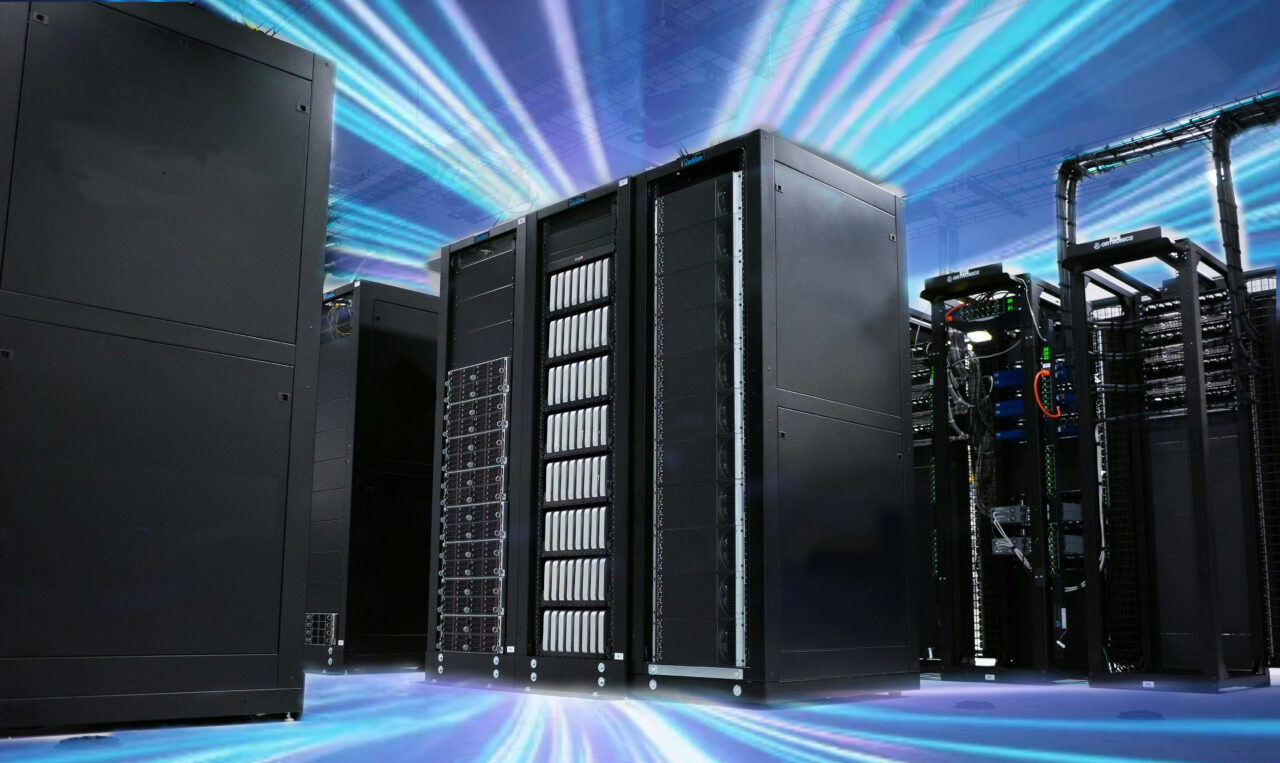
Data centres are the digital engines behind nearly every online experience, from streaming the latest film to running cloud-based business software. But beneath all that data magic is one crucial factor—reliable, fast broadband. Without it, a data centre’s efficiency can grind to a halt
Great wireless and leased line broadband provide the foundation for high-performance data centres, ensuring they operate with the speed and stability today’s digital demands require. Let’s dive into exactly why they’re so vital.
1. Data Transfers at the Speed of Light: Superfast, Consistent Connectivity
Leased lines are not just fast—they’re dedicated. This means data centres aren’t sharing bandwidth with anyone else. Whether the centre is handling massive database operations or facilitating thousands of online transactions per second, leased lines ensure zero slowdowns. This is especially crucial for businesses where even a slight lag could affect service performance or user experience.
Wireless broadband, especially 5G and fixed wireless access (FWA), has evolved into a serious contender for fast, efficient connectivity. It’s no longer just the option for remote areas; wireless is now fast enough to support bandwidth-hungry applications and can deploy much quicker than physically laying fibre cables.
This speed and consistency enable data centres to handle high loads, whether supporting cloud computing, AI training models, or streaming 4K videos to millions of users—without missing a beat.
2. No Downtime Drama: Reliability You Can Count On
Downtime is a business killer. Even a few minutes offline can cost companies thousands, if not millions, in revenue, not to mention the reputational damage. That’s why data centres can’t afford unreliable internet connections.
Leased lines come with Service Level Agreements (SLAs) that guarantee uptime—often around 99.99% or higher. This level of reliability makes leased lines perfect for applications where consistency is king, such as high-frequency trading platforms or healthcare systems that can’t tolerate even brief interruptions.
Wireless broadband has also made major strides in reliability. Modern wireless networks use failover systems and intelligent traffic routing, reducing disruptions caused by environmental factors like storms or interference. In situations where fibre cuts or local outages occur, wireless broadband acts as a resilient backup, keeping the data centre online when other solutions fail.
3. Growing Without Limits: Flexibility and Scalability
As businesses and data needs grow, so must data centres’ infrastructure. But scaling up your broadband can sometimes be a logistical nightmare. Here’s where the flexibility of wireless and leased lines shine.
Wireless broadband is exceptionally agile. If you’re setting up a temporary data centre or expanding into new regions, wireless doesn’t require waiting for physical cables to be installed. It can be deployed swiftly, and upgrading bandwidth is often as simple as adjusting the subscription plan. Need a speed boost? No problem.
Leased lines, on the other hand, are built for long-term scalability. As your data demands grow, it’s easy to increase the bandwidth of a leased line to ensure it keeps up. The process of scaling leased lines is designed to avoid the dreaded “bottleneck” scenario, where traffic grows faster than the network can handle.
Together, these broadband solutions can adapt to any business’s growth—whether it’s a hyper-scale data centre managing millions of users or a smaller centre experiencing steady expansion.
4. Guarding Against Cyber Threats: Top-Notch Security
Security isn’t just a buzzword for data centres—it’s everything. With cyber threats lurking everywhere, having a secure internet connection is a must.
Leased lines are inherently more secure because they are private—meaning data travels on its own exclusive channel from the ISP to the data centre. This reduces the risk of unauthorised access or “man-in-the-middle” attacks, making it an ideal choice for industries handling sensitive information, like finance or government operations. On top of that, encryption can be easily added to further protect the data in transit.
Wireless broadband, despite being over the airwaves, isn’t the security weak link it used to be. Advanced encryption protocols like WPA3 and secure VPNs are commonly used, allowing wireless to stand strong in environments where data security is essential. In some cases, wireless is even used as a secondary connection for redundancy, maintaining the same security standards as the leased line.
5. Strategic Savings: Cost Efficiency and Redundancy
When it comes to balancing cost and performance, leased lines often have higher upfront costs but deliver consistent value over time. You’re not just paying for bandwidth—you’re investing in predictable performance and uptime guarantees that save money in the long run. For industries that rely on 24/7 operations, this reliability far outweighs the initial expense.
However, for data centres that need flexibility or don’t want to put all their eggs in one basket, wireless broadband offers a cost-effective solution. It can serve as a redundant connection that kicks in if the primary leased line fails, ensuring that there’s no loss in connectivity. Wireless is typically more affordable to set up and can reduce overall network downtime by functioning as an emergency backup.
In essence, combining wireless and leased lines allows data centres to optimise their budgets without compromising on performance.
6. Disaster-Proofing Your Data Centre: Business Continuity and Recovery
No one likes to think about worst-case scenarios, but in the world of data centres, disaster recovery is crucial. Whether it’s a natural disaster, a massive power outage, or a cyberattack, data centres need to stay operational.
Leased lines, thanks to their guaranteed uptime and dedicated nature, offer peace of mind during regular operations. But when disaster strikes, a backup wireless broadband connection can be the lifeline that keeps systems online. Wireless broadband offers a secondary path that doesn’t rely on physical infrastructure, making it less vulnerable to the kind of issues that might take down fibre networks, like construction accidents or storms.
This dual approach—leased line for primary operations and wireless as backup—ensures business continuity even when the unexpected happens.
The Bottom Line: A Power Duo for Data Centres
In today’s data-driven economy, having robust, fast, and reliable broadband isn’t a luxury for data centres—it’s an absolute necessity. By leveraging the strengths of leased line and wireless broadband, data centres get the best of both worlds: the reliability and security of a dedicated connection and the flexibility and cost-efficiency of wireless.
So, whether you’re running a high-powered data centre or just appreciating that your favourite shows stream without buffering, it’s clear why great broadband matters. Wireless and leased lines together keep the digital world moving, ensuring that no matter how big the data load gets, data centres are ready to handle it.