


Fibre Broadband Coverage in the UK: The Gaps, the Chaos, and Alternative Solutions
A few weeks ago we published a commentary piece on the rollout of full fibre broadband in the UK by the infrastructure incumbents. The response to this article was overwhelming, we were inundated by 100’s of calls and emails from locations typically next door to a street with full-fibre broadband installed or coming, yet they were told their home or business could not connect. While we investigated this we found incredible volumes of homes and businesses that are increasingly being left out, told it’s too difficult to connect or given no explanation on when a better broadband connection may come.
And frustratingly most of these will never be built. Why? In this article, we take a look at the reasons behind this dirty little secret, the not-spots.
The UK has made significant progress in expanding full-fibre broadband coverage, with more than 57% of homes now having access to high-speed connections. However, a staggering number of communities—particularly rural areas and urban apartment dwellers—are still being left in the digital dark ages. The government boasts ambitious targets for nationwide gigabit-capable broadband, yet in reality, the rollout is a patchwork of private investment, political missteps, and logistical nightmares. The result? Frustrated residents, underdeveloped regions, and an ever-widening digital divide.
At the heart of the issue is cold, hard profit. Broadband providers, including BT’s Openreach, Virgin Media, and CityFibre, as well as Altnets focus on areas where they can make the most money—primarily cities and well-populated suburbs. These areas provide the highest return on investment, with a dense customer base helping to offset infrastructure costs. Meanwhile, rural communities and sparsely populated regions are dismissed as unprofitable, leaving residents stuck with outdated, sluggish connections.
Construction Nightmares and Geographic Barriers
Deploying fibre networks in certain parts of the UK is no simple feat. Remote and rural communities are often surrounded by natural obstacles—hills, rivers, historic sites—all of which make trenching and cable-laying a costly headache. On top of that, the UK’s outdated infrastructure means digging up roads and laying new fibre lines can be prohibitively expensive, slow, and disruptive. Providers often decide it’s simply not worth the hassle, leaving vast areas without access to high-speed internet.
Wayleave and Ownership Chaos
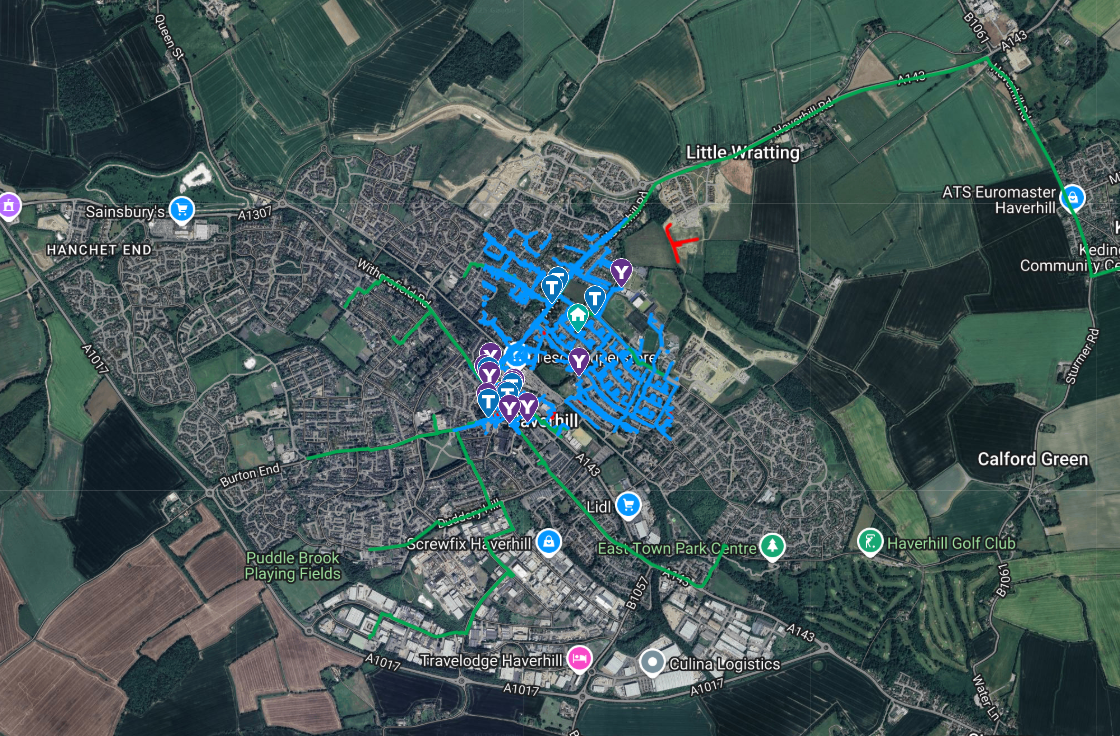
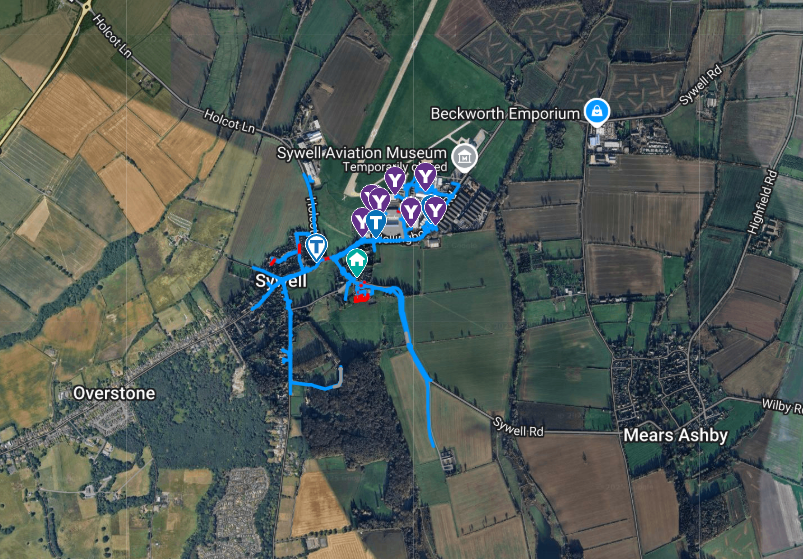
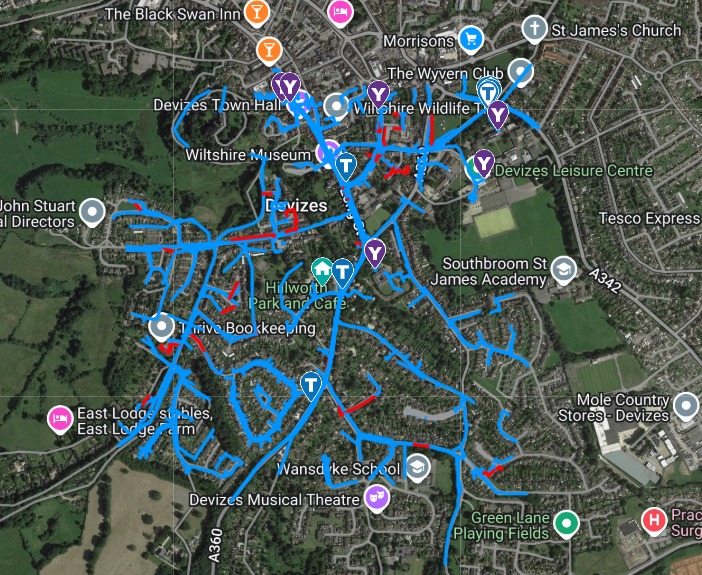
Even in urban areas, major roadblocks exist. Many apartment buildings are locked in bureaucratic limbo due to wayleave agreements—legal permissions required from landlords or building owners to install fibre infrastructure. Uncooperative landlords, complex ownership structures, and sheer disinterest in upgrading broadband access have resulted in entire buildings being left out. And in rural areas, a single reluctant landowner can hold an entire community hostage by refusing access for fibre cables to cross their property. – Check out a fibre map here but make sure you click the options for FTTP and zoom in as far as you can. The picture becomes clear, and scary
A Disorganised, Fragmented Infrastructure Mess
The UK’s utilities infrastructure is an uncoordinated disaster. Unlike other countries with streamlined, centralised planning, the UK’s broadband rollout is a chaotic free-for-all involving government entities, private companies, and local councils—each working separately and often at cross purposes.
Physical Infrastructure Access (PIA) was introduced to let providers use Openreach’s existing ducts and poles, supposedly making deployment easier. In reality, however, inconsistencies in mapping, unexpected obstructions, and outdated records mean providers are frequently met with surprise obstacles. Some companies resort to digging entirely new trenches rather than dealing with the mess, leading to further delays, inflated costs, and frustrating inefficiencies. Meanwhile, communities watch as different companies dig up the same roads multiple times, each laying their own infrastructure instead of collaborating.
Lack of Public Interest, Pressure or Political Willpower
Some areas are being ignored simply because demand isn’t high enough—or at least, that’s what providers claim. If local populations don’t vocally push for better broadband or if existing connections are deemed “good enough,” companies deprioritise them. But in many cases, it’s not a lack of interest but a lack of awareness. Many residents don’t realise they could have better services or don’t know how to push for them.
Meanwhile, government policy flip-flops and political changes have done little to help. The initial nationwide gigabit broadband target of 2025 has already been watered down, and while ‘Project Gigabit’ aims to subsidise hard-to-reach locations, the government’s contribution is dwarfed by private investment. Shifting political priorities and a lack of clear leadership mean the rollout remains painfully slow and inconsistent.
Alternative Solutions for Those Left Behind
For the unlucky areas still waiting for fibre broadband, hope isn’t entirely lost. Several alternative technologies can help bridge the gap:
• 5G and Fixed Wireless Access (FWA) – Some mobile operators are rolling out 5G broadband as a substitute for fibre, offering high-speed internet via wireless connections. This can be a game-changer for areas where fibre deployment has stalled or been deemed unprofitable.
• Community Fibre Projects – Some determined local communities have taken matters into their own hands, partnering with smaller broadband providers to crowdfund and build their own networks, sidestepping the major telecom giants altogether.
• Altnets – Money talks and if an alternative infrastructure provider smells an opportunity to grow their customer base, they will shift their troops, start up the digger’s engines and find a shipping container nearby to call home. So if your area is being left behind, you can contact these companies and let them know. Ultimately, they are run and managed by real people who want to grow their revenue streams, so if you can put a case forward, they will take a look.
The Bottom Line - The UK’s Digital Divide is Growing
While the UK’s fibre broadband network expands, the rollout remains a tale of two nations—those who enjoy high-speed, future-proof connectivity and those left struggling with outdated infrastructure. The chaotic, profit-driven nature of deployment, combined with bureaucratic hurdles, lack of government oversight, and poor infrastructure coordination, continues to leave millions behind. Unless real changes are made—whether through political action, industry-wide cooperation, or alternative technologies—the UK’s digital divide will only deepen, leaving entire communities disconnected in a completely digital world. If you don’t act now, and you are in these not-spot areas, you will be cut off, and while there is building activity, those budgets do run out. They will not be building again for many years. It is a once in a couple of decades infrastructure play and if your home or business is not part of it, you won’t be.